
Musofirning Xotini — The Weight of Waiting
Iyun 5, 2026
Musofirning Xotini — The Weight of Waiting
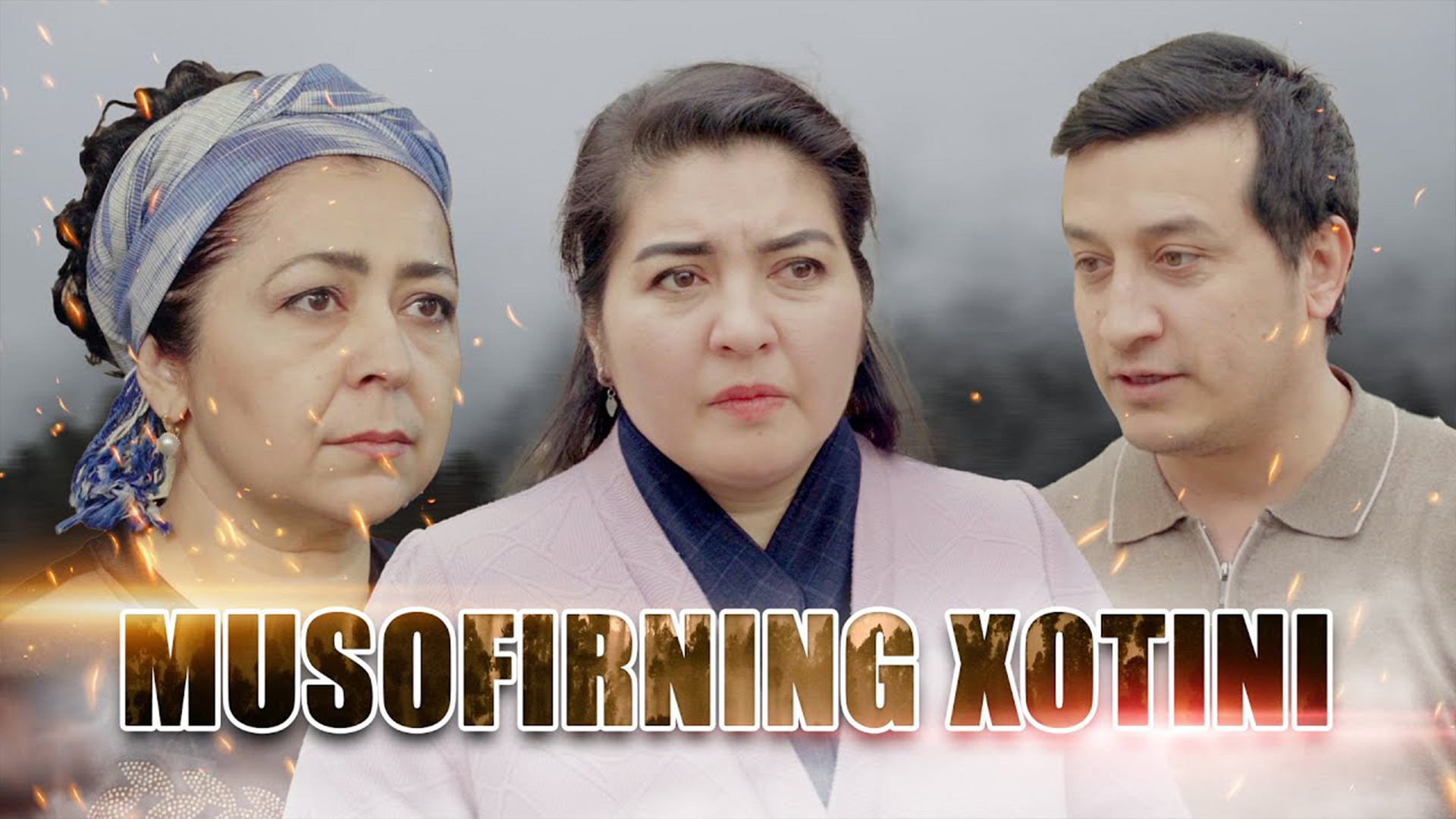
Musofirning Xotini is a raw and deeply human Uzbek drama that tells the story of a woman left to carry the world on her own shoulders while her husband seeks work abroad. With her children beside her and her younger sister newly arrived in the city to pursue her education, she faces the relentless pressures of daily life — bills, rent, tuition, and the quiet anxiety of a home held together by hope alone.
When her husband stops sending money — not out of neglect, but because work has dried up and pride has silenced him — the cracks begin to show. He sends what little he can through a woman in the city, a trusted middleman. But that trust is misplaced. The money arrives late, incomplete, and sometimes not at all. Each visit to that woman’s door is an exercise in humiliation — returning home empty-handed, making excuses to children who are hungry and a sister whose future hangs by a thread.
Behind the door of that same woman, another story unfolds. Her son — hidden from her carefully constructed respectability — drinks, smokes, skips school, and raids her savings. She has given him money in place of presence, provision in place of parenting. When he turns on her one evening in a rage, demanding more, the confrontation lays bare everything she has refused to see. The house she built on other people’s money is collapsing from the inside.
In the midst of her own struggle, the young wife unexpectedly crosses paths with an old classmate — someone from a simpler time — who offers help without conditions. In a season defined by betrayal and exhaustion, that small act of genuine kindness becomes something she did not know she still needed: proof that not everyone takes.
Musofirning Xotini is a story about the invisible labor of women who wait — who manage, endure, and hold families together across distance and silence. It is also a quiet reckoning about what happens when trust is broken, when money replaces love, and when the consequences of choices made in the dark finally find the light.


